A conclusion paragraph answers one question the reader is silently asking: so what? Why did this argument matter? A conclusion that only repeats the essay wastes the last thing the reader reads, which is also the thing they remember most.
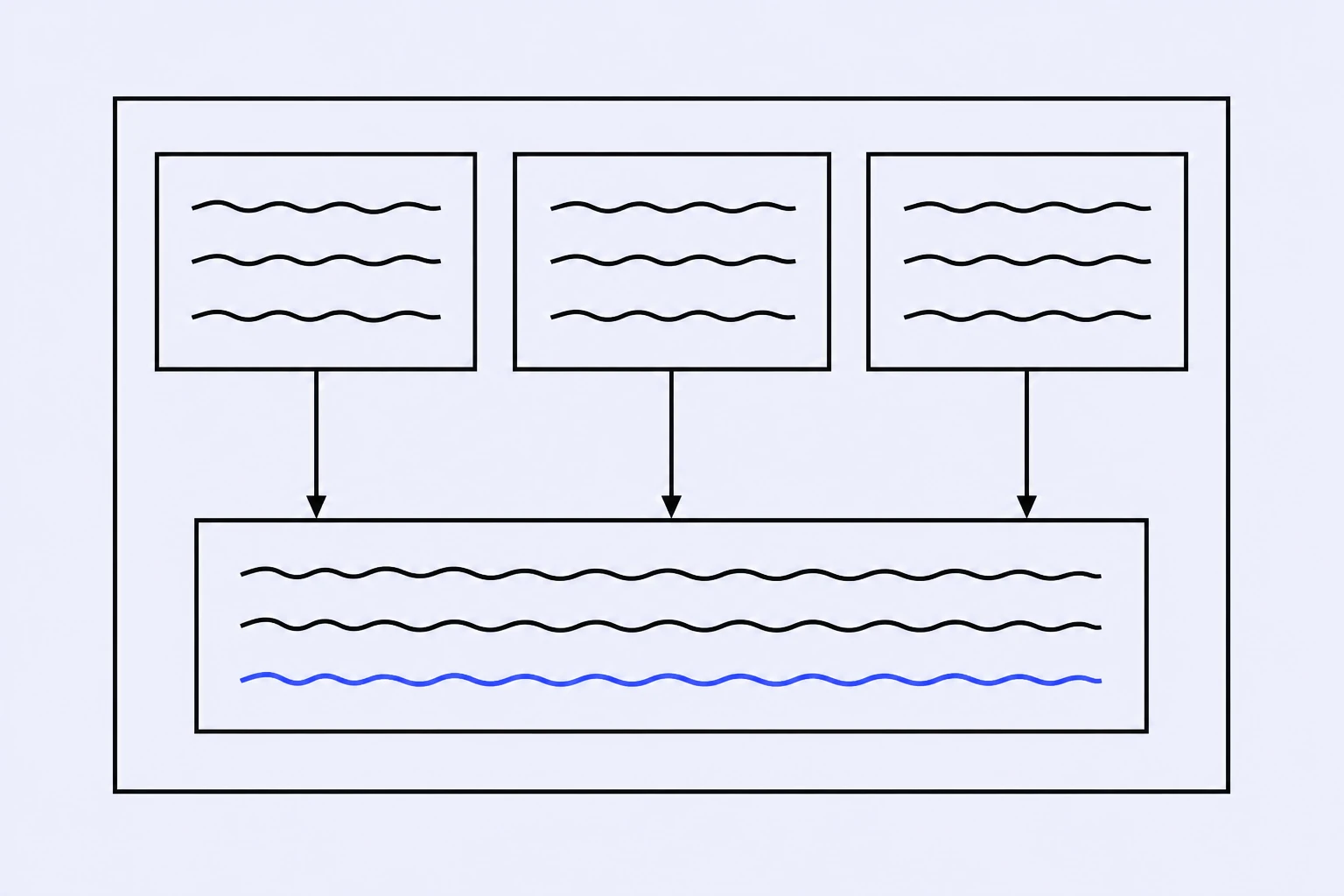
Most students write the same conclusion: "In conclusion, as I have shown, X, Y, and Z." It restates the three body paragraphs and stops. It's safe, it's boring, and it throws away the one paragraph with the most weight. Here's the version that closes an essay.
A Conclusion Makes Three Moves
A strong conclusion does three things, in order.
- Return to the thesis, in fresh words. Not copied from the intro. Reword it now that the reader has seen the proof, so it lands with more force than it did at the start.
- Pull the threads together. One or two sentences that show how the body paragraphs connect, not a list of them. The reader saw the parts. Show them the whole.
- Answer "so what." End on why the argument matters beyond the essay. A consequence, a stake, a question it opens. This is the sentence they remember.
Move three is the one students skip, and it's the one that separates a real conclusion from a summary.
Here Is One Worked Through
Say the essay argued that standardized testing narrows what teachers can teach.
The summary version (weak):
In conclusion, standardized testing has many downsides. It narrows the curriculum, it stresses students, and it rewards memorization. For these reasons, testing is a problem.
The real version (strong):
The problem with standardized testing was never the test itself. It is what a test does to the year around it, when a single April morning decides what gets taught in October. A curriculum built to be measured stops being a curriculum built to be learned. The question is not whether we can test students better. It is whether we are willing to stop letting the test do the teaching.
The second one rewords the thesis, connects the threads, and ends on a stake the reader carries out of the essay. It doesn't add new evidence. It reframes what the evidence meant.
What Not to Do
Don't open with "In conclusion." The reader knows it's the conclusion. It's the last paragraph. Start with your point instead. The transition words helper has cleaner options if you need a signal at all.
Don't add new evidence. The conclusion synthesizes, it doesn't argue a new point. A fresh statistic in the last paragraph has nowhere to be defended.
Don't apologize or hedge. "While there are of course other views" undercuts everything you just proved. End with conviction. You made the argument. Stand on it.
Don't reverse the introduction and call it done. Copying your intro and swapping a few words reads as filler. The reader has changed since the intro, because they read the essay. Write to the reader who now knows your argument.
Write It Faster
The three-move structure is easy to see and hard to do at 1 a.m. on a draft you're sick of. The essay conclusion writer takes your thesis and main points and drafts a conclusion that returns, synthesizes, and answers "so what," so you have a real closing to sharpen instead of a summary to escape.
AI is good at the structure and flat on the stakes, since the "so what" depends on why the topic matters to you, which the tool doesn't know. Draft the shape, then write the last sentence yourself. In AgentDock Editor you can keep your intro on screen while you write the conclusion, so you reframe the thesis instead of copying it.
FAQ
What should a conclusion paragraph include? A restatement of the thesis in fresh words, a synthesis of your main points, and an answer to "so what." The last part, the significance, is what makes it a conclusion instead of a summary.
How long should a conclusion be? Usually four to six sentences, roughly the length of your other paragraphs. Long enough to reframe the argument, short enough that it doesn't restate the whole essay.
Should I start with "in conclusion"? Skip it. The reader knows it's the end. Open with your point instead.
Can I add new information in a conclusion? No. New evidence needs a body paragraph to defend it. The conclusion synthesizes what you already proved.
How do I write a conclusion that's more than a summary? Answer "so what." After restating the thesis, spend a sentence or two on why the argument matters beyond the essay. That's the move a summary skips.