Spanish has two verbs for "to be," and English speakers guess wrong for years. The evidence: whole YouTube teaching careers built on explaining the difference, and a novelty rap that exists to drill it. Nobody memorizes a grammar rap unless the textbook explanation failed them first.
The textbook explanation fails for a specific reason. It hands you a rule that's mostly right, and mostly right is what gets you wrong answers on the exact questions teachers love to ask. This page gives you the rules for the four walls English speakers hit, in order, and a practice generator for each one, because reading a rule and applying it at speed are different skills.
When to Use Ser and When to Use Estar
The classic classroom framing goes like this. Ser covers what something IS: permanent characteristics, profession, place of origin, identification. Estar covers the state it's in, and the mnemonic the lesson's students use is five words: how you feel and where you are. Feelings take estar, every one of them. Locations take estar too.
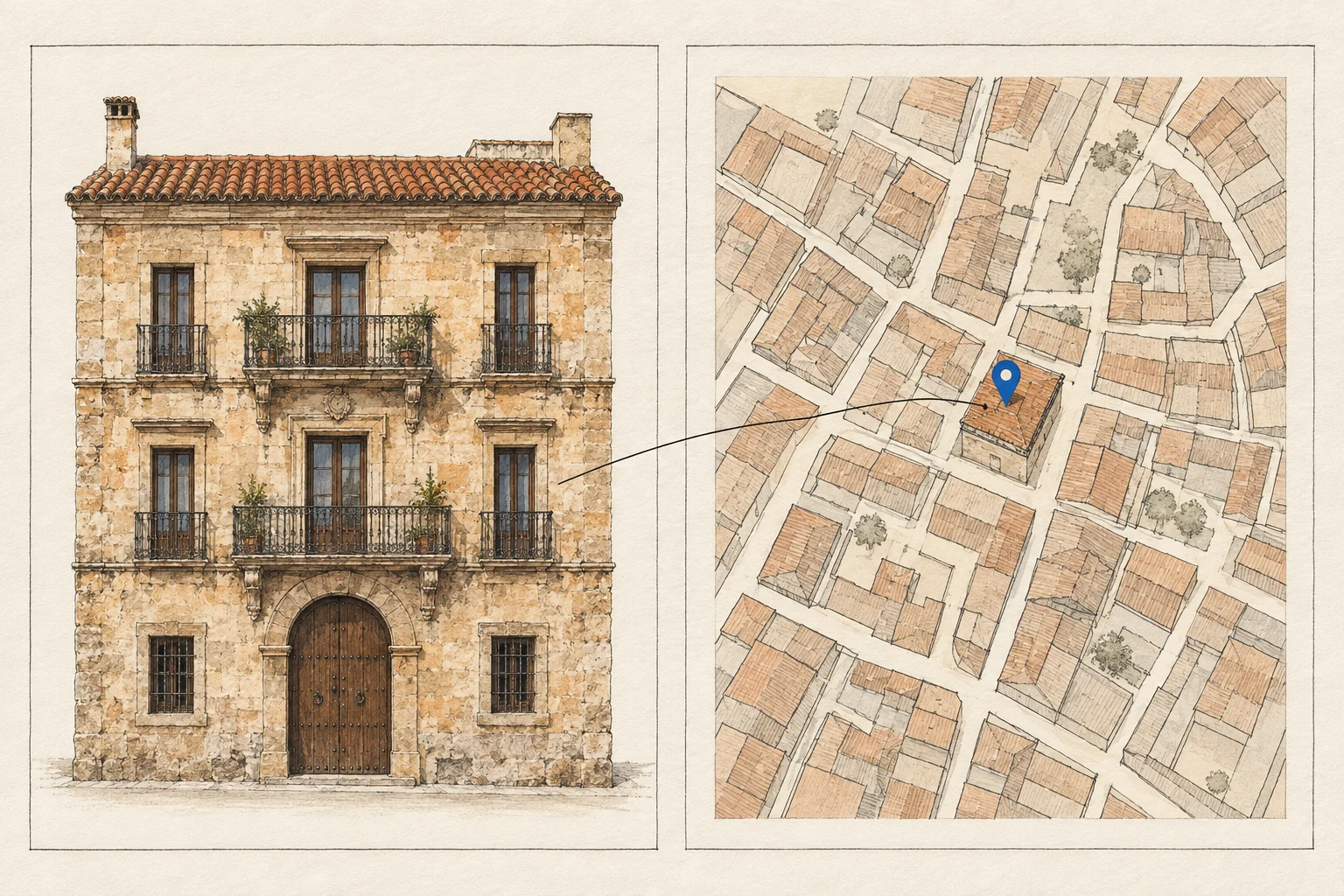
Then comes the trap, and the lesson flags it itself: location takes estar even when the location is permanent. A building that has stood in Madrid for five hundred years is still "está en Madrid." If you memorized ser-is-permanent and estar-is-temporary, that question is designed to catch you.
Both verbs conjugate irregularly, and the lookups are constant in the first year:
| Pronoun | Ser | Estar |
|---|---|---|
| yo | soy | estoy |
| tú | eres | estás |
| él / ella / usted | es | está |
| nosotros | somos | estamos |
| vosotros | sois | estáis |
| ellos / ustedes | son | están |
Reading the table doesn't build the reflex. The Ser vs Estar Practice Generator builds fill-in sentences that force the choice, including the permanent-location traps, and the Verb Conjugation Practice Generator drills the forms until the table lives in your hands.
A Rule You Read Is Not a Rule You Can Use at Speed
| Tool | What it does | Best for | Skip if |
|---|---|---|---|
| A conjugation table site | Shows every form of one verb | Checking a form mid-homework | You keep re-looking up the same verb |
| A translation app | Hands you the answer | Getting one sentence out the door | You want the choice to become automatic |
| A practice generator | Builds drills on the exact rule you're missing | Turning a rule into a reflex before the quiz | You haven't read the rule once yet |
Preterite vs Imperfect Is the Second Wall
English has one simple past. Spanish splits it in two, and the split is about how the speaker sees the action. The preterite reports a completed event: it happened, it ended. The imperfect paints the background: what used to happen, what was ongoing when something else occurred.
The classic exam sentence uses both: "I was watching TV (imperfect, background) when the phone rang (preterite, event)."
- The Preterite vs Imperfect Practice Generator drills the choice itself, which is where the marks are.
- The Preterite Tense Practice Generator and Imperfect Tense Practice Generator isolate each tense's forms first.
- Preterite irregulars (fui, tuve, hice) break every pattern you just learned, and the Irregular Preterite Verb Practice Generator targets exactly that list.
- If you mix up "hablado" and "habló," the Past Participle vs Past Tense Practice Generator untangles the two.
Por vs Para Is One Word in English and Two in Spanish
Both translate as "for," which is why English speakers can't hear the difference. The working split: para points forward to a purpose, destination or deadline, and por points backward or through, covering cause, exchange, duration and movement through space. "Trabajo para vivir" is purpose. "Gracias por tu ayuda" is cause.
The Por vs Para Practice Generator generates the ambiguous-sounding sentences where the choice gets tested.
The Subjunctive Is a Mood, Not a Tense
English barely has it left, so the concept itself is the hurdle. Spanish uses the subjunctive whenever the clause expresses wish, doubt, emotion or unreality instead of plain fact: "quiero que vengas," I want you TO COME, takes a form English never asks you to produce.
The Subjunctive Practice Generator drills trigger phrases until "que" starts flipping the verb automatically, and the Command and Imperative Practice Generator covers commands, where subjunctive forms moonlight.
Small Words Cause the Most Red Ink
The pronoun system and agreement rules generate more corrections per page than any tense:
- The Subject Pronoun Practice Generator covers tú vs usted and when to drop the pronoun entirely.
- The Direct Object and Indirect Object Pronoun generators drill lo, la, le and the placement rules that come with them.
- "Me gusta" means the liking flows backwards, and the Gustar and Backwards-Structure Verb Practice Generator covers the whole family of verbs built that way.
- Adjectives change endings to match their nouns, and the Adjective Agreement Practice Generator drills gender, number and placement together.
Put the Walls in One Study Loop
Rules stick when they cycle: read the rule, drill it, then produce full sentences. The Sentence Translation Practice Generator handles the production step, and the Spanish Vocabulary Flashcard Generator keeps the word list growing alongside the grammar. Wider study workflows live in the prompts for students and teachers collection.
The Dock Editor is free for 7 days and keeps your rules, your drills and your wrong answers in one document, which turns a semester of corrections into your own personal error list.
Tonight's version: pick the wall you hit last week, generate ten sentences on it, and say each answer out loud before you check. "How you feel and where you are" gets you through the first wall. The drills carry you through the rest. Browse every language prompt for French, German, Japanese and the rest of the set. The first walls in French and Japanese get their own guides.